3 min read
Have you ever wondered how the humble bar of soap, a daily essential in our lives, comes to be?
Its all thanks to a fascinating chemical process called saponification. Let's delve into the world of soap-making and explore the science behind it.
Saponification is essentially the process of converting fats and oils into soap. It involves a chemical reaction between a fat or oil and an alkali, typically sodium hydroxide (lye) or potassium hydroxide. The end result is soap and glycerin.
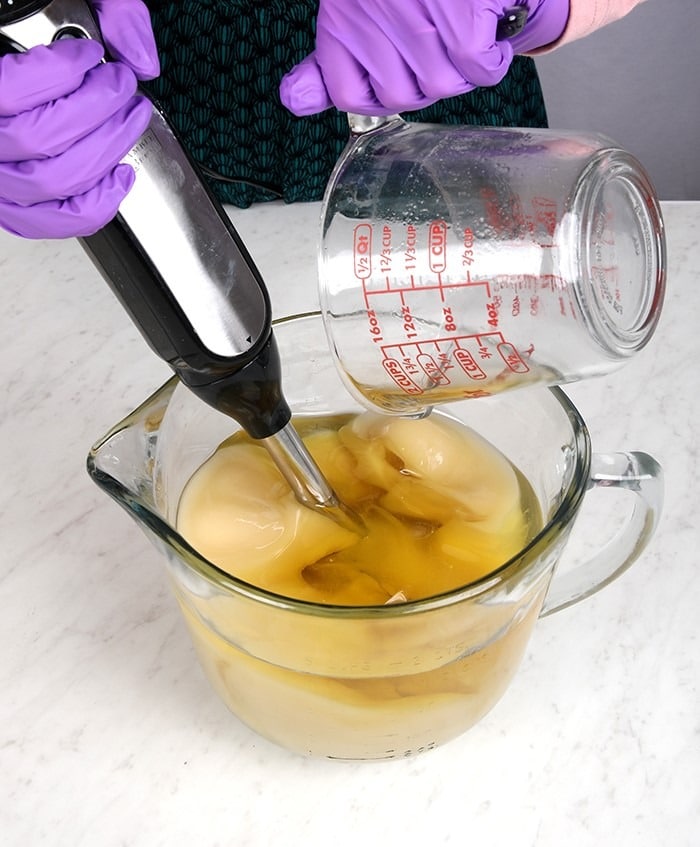
The process begins by heating a mixture of fats or oils with a strong alkali. As the temperature rises, the alkali breaks down the triglycerides (the molecules that make up fats and oils) into fatty acids and glycerol. The fatty acids then react with the alkali to form soap molecules. These molecules have a unique structure, with one end being hydrophilic (water-loving) and the other being lipophilic (oil-loving). This dual nature allows soap to effectively remove dirt and grease from surfaces.
The choice of alkali used in saponification determines the type of soap produced. Sodium hydroxide creates a harder bar soap, while potassium hydroxide yields a softer, more moisturizing soap.
The specific type of fat or oil used also influences the properties of the soap, such as its lathering ability and scent.
Lathering Ability:
Hard Oils: Oils like coconut oil, palm oil, and castor oil produce soaps with a rich, creamy lather. They are ideal for bar soaps due to their hardness.
Soft Oils: Olive oil, avocado oil, and sunflower oil create soaps with a gentler lather, often preferred for sensitive skin. These oils tend to produce softer bars.
Hardness:
Hard Oils: As mentioned earlier, coconut and palm oils produce harder soaps with a longer shelf life.
Soft Oils: Oils like olive and almond oil result in softer, more moisturizing soaps that may require a higher concentration of lye to achieve a solid bar.
Scent:
Unscented Oils: Olive, coconut, palm, and sunflower oils have neutral scents, allowing for the addition of essential oils or fragrances.
Scented Oils: Some oils, like avocado and castor oil, have subtle natural scents that can contribute to the overall fragrance of the soap. However, these scents may be masked by the addition of stronger fragrances.
Examples of Soap Combinations:
Creamy and Lathering: A combination of coconut oil, palm oil, and olive oil can produce a rich, lathering bar soap.
Moisturizing and Gentle: A blend of olive oil, almond oil, and shea butter creates a moisturizing soap suitable for sensitive skin.
Fragrant: A soap made with coconut oil, palm oil, and lavender essential oil offers a calming and fragrant experience.
While the basic process of saponification remains the same, modern soap-makers have experimented with various techniques and ingredients to create a wide range of soaps with unique characteristics. From natural, handmade soaps to commercial varieties, there's a soap out there to suit every preference.
So, the next time you lather up with a bar of soap, take a moment to appreciate the fascinating science behind its creation. It's a testament to the ingenuity of human beings and the power of chemistry to transform everyday materials into something truly useful.


Give us more on soap-making. Love this.
ReplyDelete