Sunday, October 27, 2024

Tracing: The Art to Perfect Soap

2 min read

Tracing is a crucial step in the soap-making process, particularly when using the cold process method. It is the point at which the soap mixture reaches a certain consistency, indicating that it's ready to be poured for solidification. Complete saponification is not possible without tracing.

What is Tracing?

Tracing refers to the moment when the soap batter becomes thick enough to hold a trace. This means that when you drizzle a small amount of the batter onto the surface, it leaves a visible trace or trail. It's a visual cue that the saponification process, where oils and lye combine to form soap, is progressing steadily.

Tracing is a crucial step in the soap-making process, particularly when using the cold process method. It is the point at which the soap mixture reaches a certain consistency, indicating that it's ready to be poured for solidification. 


Why is Tracing Important?

  1. Texture: Tracing ensures that the soap batter has the right consistency for pouring. If it's too thin, it might not set properly, leading to a soft or crumbly bar. If it's too thick, it can be difficult to pour and might trap air bubbles.
  2. Scent: Tracing is the ideal time to add essential oils or fragrance oils to your soap. If added too early, they can interfere with the saponification process.
  3. Color: If you're using colorants, adding them at the tracing stage helps prevent them from sinking to the bottom of the soap.                                              

Tracing Tips For Beginners


  • Visual Inspection: Scoop a small amount of the batter and let it drip slowly from a spoon. If it leaves a clear trail, it's likely traced.
  • The Ripple Test: Gently swirl the batter in your pot. If it leaves ripples that remain visible for a few seconds, it's a good sign of tracing.
  • The Ribbon Test: Lift a small amount of the batter and let it drip back into the pot. If it forms a ribbon that takes a few seconds to disappear, your soap is likely traced.

Tips for Tracing the First Time 


  • Start Simple: Use basic recipes with oils like olive or coconut, avoiding complex additives initially.
  • Be Prepared: Gather all tools and ingredients beforehand to avoid mistakes.
  • Ensure Safety: Wear gloves, goggles, and work in a well-ventilated space.
  • Monitor Temperature: Keep oils and lye at similar temperatures (100–110°F).
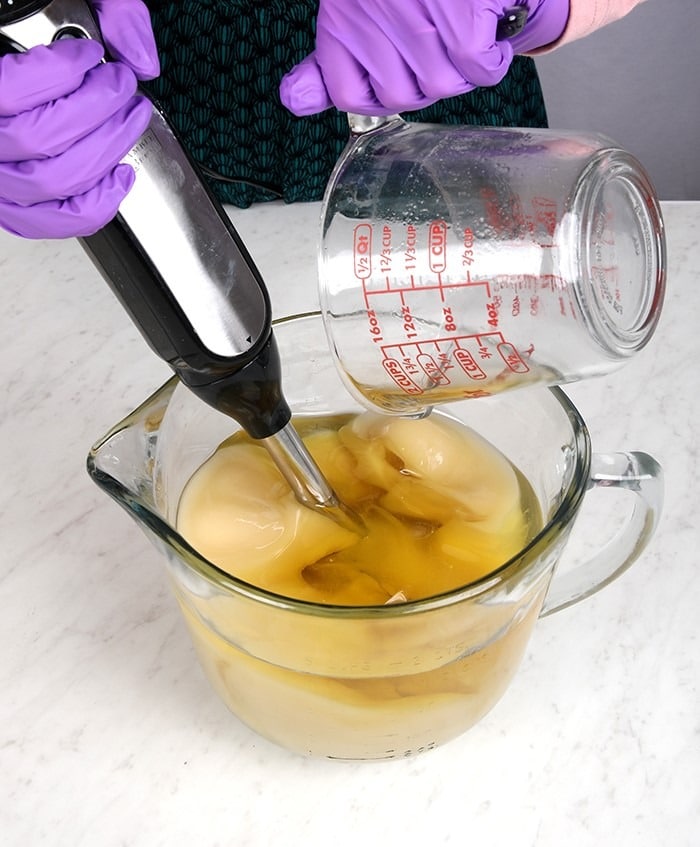
  • Mix Gently: Use short bursts with a stick blender, alternating with hand stirring.
  • Recognize Trace: Learn light, medium (pudding-like), and heavy trace stages.
  • Avoid Additives: Start without additives like fragrances or clays that speed up tracing.
  • Act Quickly: Pour into molds instantly after reaching trace.
  • Troubleshoot: If it separates, re-blend; press it into molds if it thickens too fast.
  • Cure Properly: Let soap sit in molds for 24–48 hours and cure for 4–6 weeks.

  • Remember, tracing can vary depending on factors like temperature, humidity, and the specific ingredients you're using. It's a skill that comes with practice. By mastering the art of tracing, you'll be well on your way to creating beautiful, high-quality handmade soap.

    Thursday, October 17, 2024

    The Magic of Soap: A Deep Dive into Saponification

    3 min read 

    Have you ever wondered how the humble bar of soap, a daily essential in our lives, comes to be? 

    Its all thanks to a fascinating chemical process called saponification. Let's delve into the world of soap-making and explore the science behind it. 

    Saponification is essentially the process of converting fats and oils into soap. It involves a chemical reaction between a fat or oil and an alkali, typically sodium hydroxide (lye) or potassium hydroxide. The end result is soap and glycerin.


    The process begins by heating a mixture of fats or oils with a strong alkali. As the temperature rises, the alkali breaks down the triglycerides (the molecules that make up fats and oils) into fatty acids and glycerol. The fatty acids then react with the alkali to form soap molecules. These molecules have a unique structure, with one end being hydrophilic (water-loving) and the other being lipophilic (oil-loving). This dual nature allows soap to effectively remove dirt and grease from surfaces.

    The choice of alkali used in saponification determines the type of soap produced. Sodium hydroxide creates a harder bar soap, while potassium hydroxide yields a softer, more moisturizing soap. 

    The specific type of fat or oil used also influences the properties of the soap, such as its lathering ability and scent.

    Lathering Ability:

    Hard Oils: Oils like coconut oil, palm oil, and castor oil produce soaps with a rich, creamy lather. They are ideal for bar soaps due to their hardness.

    Soft Oils: Olive oil, avocado oil, and sunflower oil create soaps with a gentler lather, often preferred for sensitive skin. These oils tend to produce softer bars.

    Hardness:

    Hard Oils: As mentioned earlier, coconut and palm oils produce harder soaps with a longer shelf life.

    Soft Oils: Oils like olive and almond oil result in softer, more moisturizing soaps that may require a higher concentration of lye to achieve a solid bar.

    Scent:

    Unscented Oils: Olive, coconut, palm, and sunflower oils have neutral scents, allowing for the addition of essential oils or fragrances.

    Scented Oils: Some oils, like avocado and castor oil, have subtle natural scents that can contribute to the overall fragrance of the soap. However, these scents may be masked by the addition of stronger fragrances.

    Examples of Soap Combinations:

    Creamy and Lathering: A combination of coconut oil, palm oil, and olive oil can produce a rich, lathering bar soap.

    Moisturizing and Gentle: A blend of olive oil, almond oil, and shea butter creates a moisturizing soap suitable for sensitive skin.

    Fragrant: A soap made with coconut oil, palm oil, and lavender essential oil offers a calming and fragrant experience.

    While the basic process of saponification remains the same, modern soap-makers have experimented with various techniques and ingredients to create a wide range of soaps with unique characteristics. From natural, handmade soaps to commercial varieties, there's a soap out there to suit every preference.

    So, the next time you lather up with a bar of soap, take a moment to appreciate the fascinating science behind its creation. It's a testament to the ingenuity of human beings and the power of chemistry to transform everyday materials into something truly useful.

    Wednesday, October 9, 2024

    The Art of Curing: Elevating Your Soap Making

    "A soap perfectly cured, is better than a soap perfectly made"

    Curing, a process often overlooked in the excitement of crafting handmade soap, is a vital step in creating a superior product. This crucial stage involves aging the soap after it's made, significantly impacting its quality, longevity, and overall performance. 


    Understanding the Curing Process

    Curing is essentially the process of allowing soap to dry and harden over time. During this period, the soap's moisture content decreases, and its structure becomes more stable. This not only prevents the soap from becoming mushy or disintegrating but also enhances its lathering ability, hardness, and scent retention.


    Why Curing Matters

    1. Improved Lather: Cured soap produces a richer, creamier lather, a hallmark of high-quality soap. As the soap dries, its glycerin content becomes concentrated, resulting in a more effective cleansing agent. 

    2. Longer Shelf Life: Cured soap has a longer shelf life compared to its uncured counterpart. The reduced moisture content makes the soap less susceptible to mold and bacterial growth, ensuring it remains fresh and usable for a longer period.

    3. Enhanced Hardness: Curing imparts a firmer texture to the soap, making it less likely to crumble or break easily. This durability is especially important for soaps that are used frequently or transported over long distances.

    4. Better Scent Retention: The curing process helps to lock in the fragrance of essential oils used in the soap. This ensures that the scent remains vibrant and long-lasting, providing a delightful sensory experience.

    5. Reduced Harshness: Curing can help to reduce the harshness of the soap, making it gentler on the skin. This is particularly beneficial for those with sensitive skin or certain skin conditions.


    Tips for Effective Curing

    1. Choose the Right Location: A well-ventilated, cool, and dry place is ideal for curing soap. Avoid areas with high humidity or direct sunlight.

    2. Use a Wire Rack: Placing the soap on a wire rack allows for proper airflow and prevents moisture from being trapped.

    3. Avoid Wrapping: Resist the urge to wrap the soap in plastic, as this can hinder the curing process.

    4. Be Patient: Curing can take several weeks or even months, depending on the soap's formulation and desired level of hardness.

    5. Check for Hardness: Periodically test the soap's hardness by gently pressing it. If it feels firm and doesn't crumble, it is likely cured.


    By understanding the importance of curing and incorporating it into your soap-making process, you can elevate your craft and create exceptional soaps that are not only beautiful but also functional and long-lasting. Embrace the art of curing and experience the transformative effects it has on your homemade soap.


    A Natural Alternative to Anti-Bacterial Soap?

    For decades, the phrase "anti-bacterial" has been a badge of honor for household cleansers, giving us a powerful, false sense of s...